Photographs · Videos · Research · Education
Archives
The complete resource library — historic photographs, documentaries and tributes, classroom packs, a press kit, and an open call for lost footage.
Section One
The Man
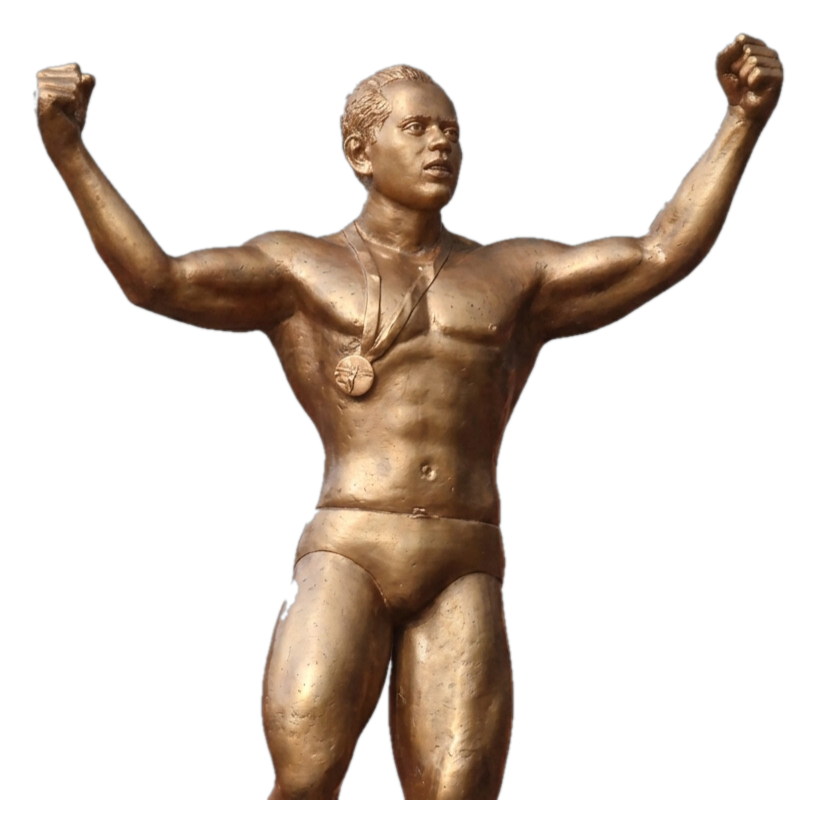
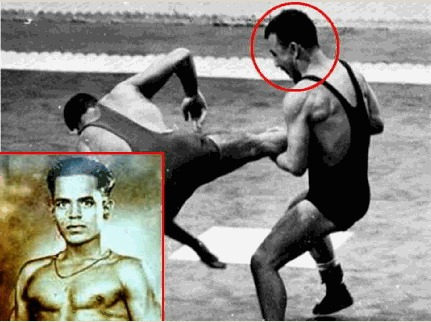
Portraits and personal photographs — from the family archive.

Section Two
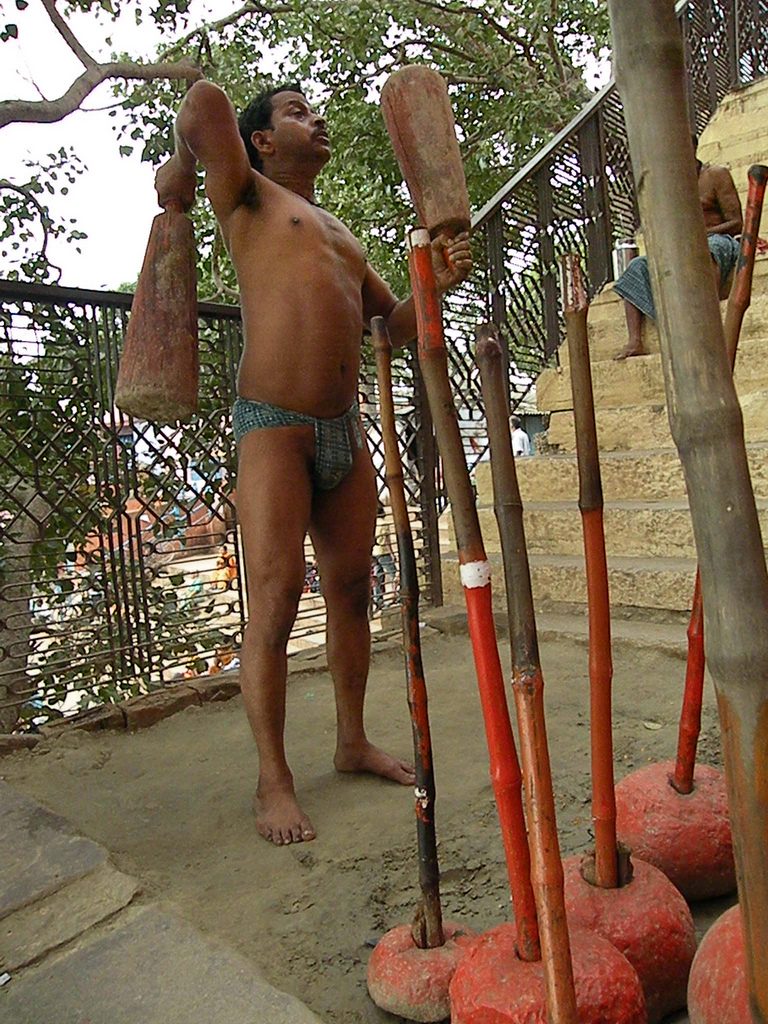
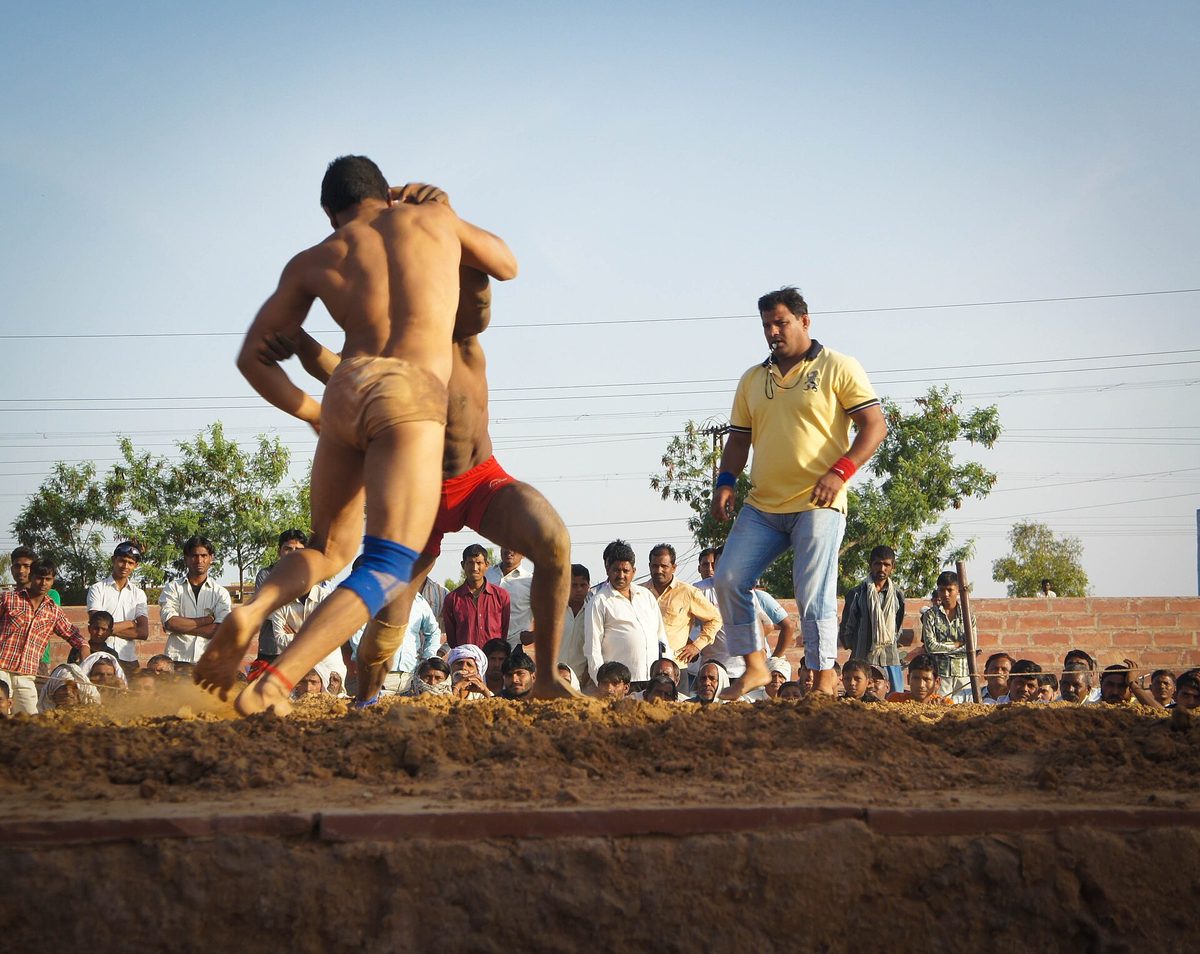
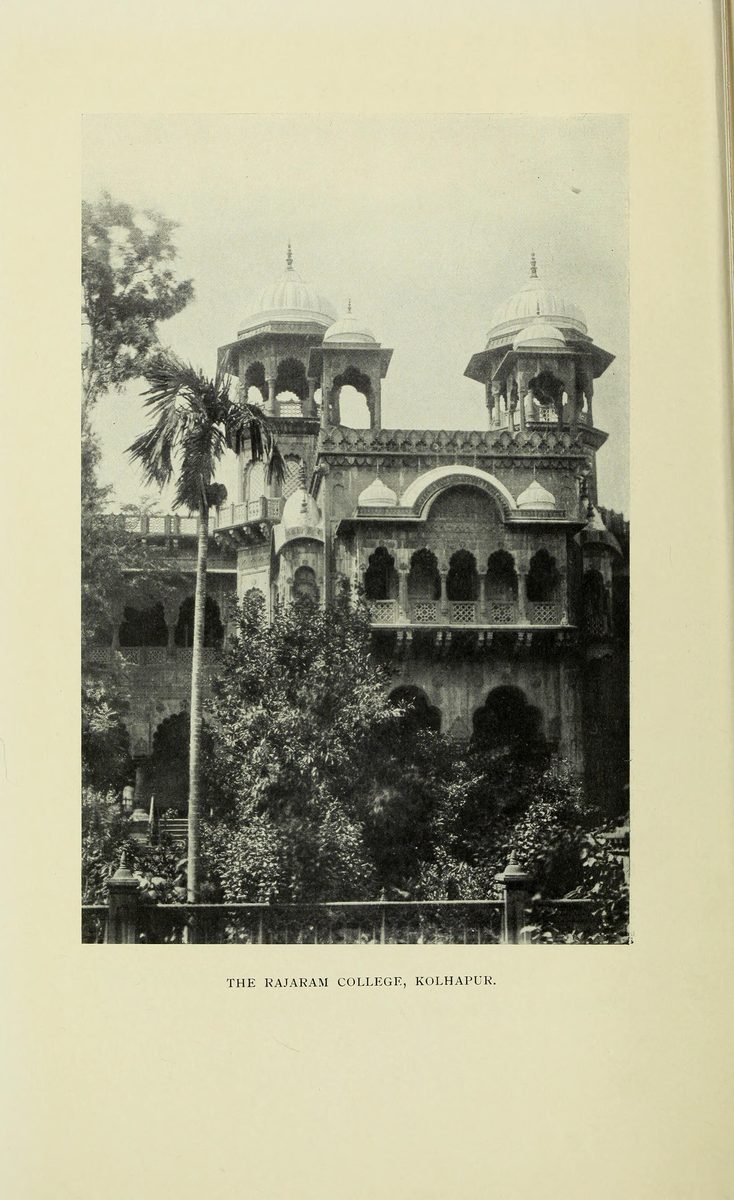
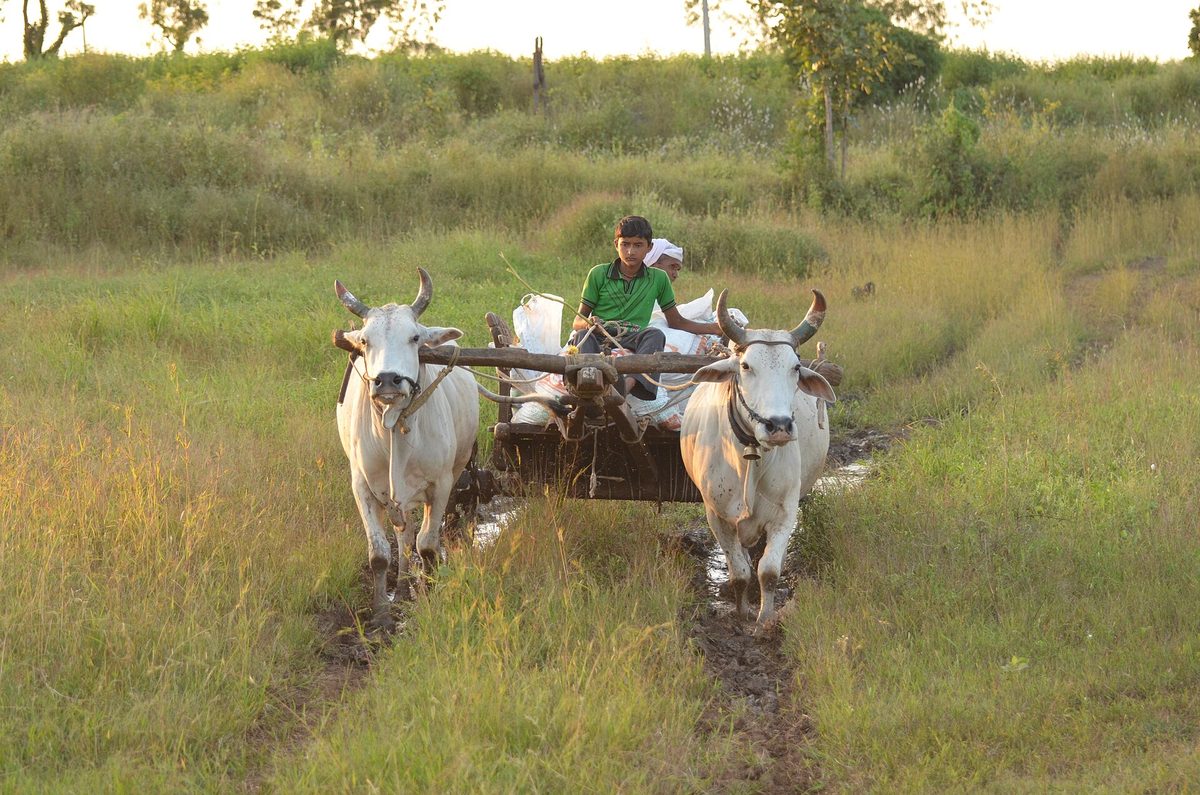
The Akhada & the Tradition
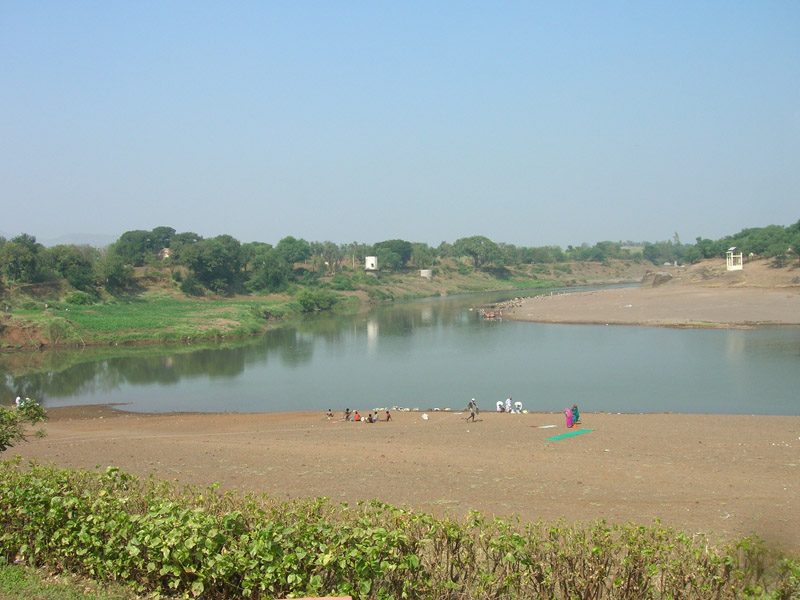
The world that made him — village kusti as it was, and largely still is.
Section Three
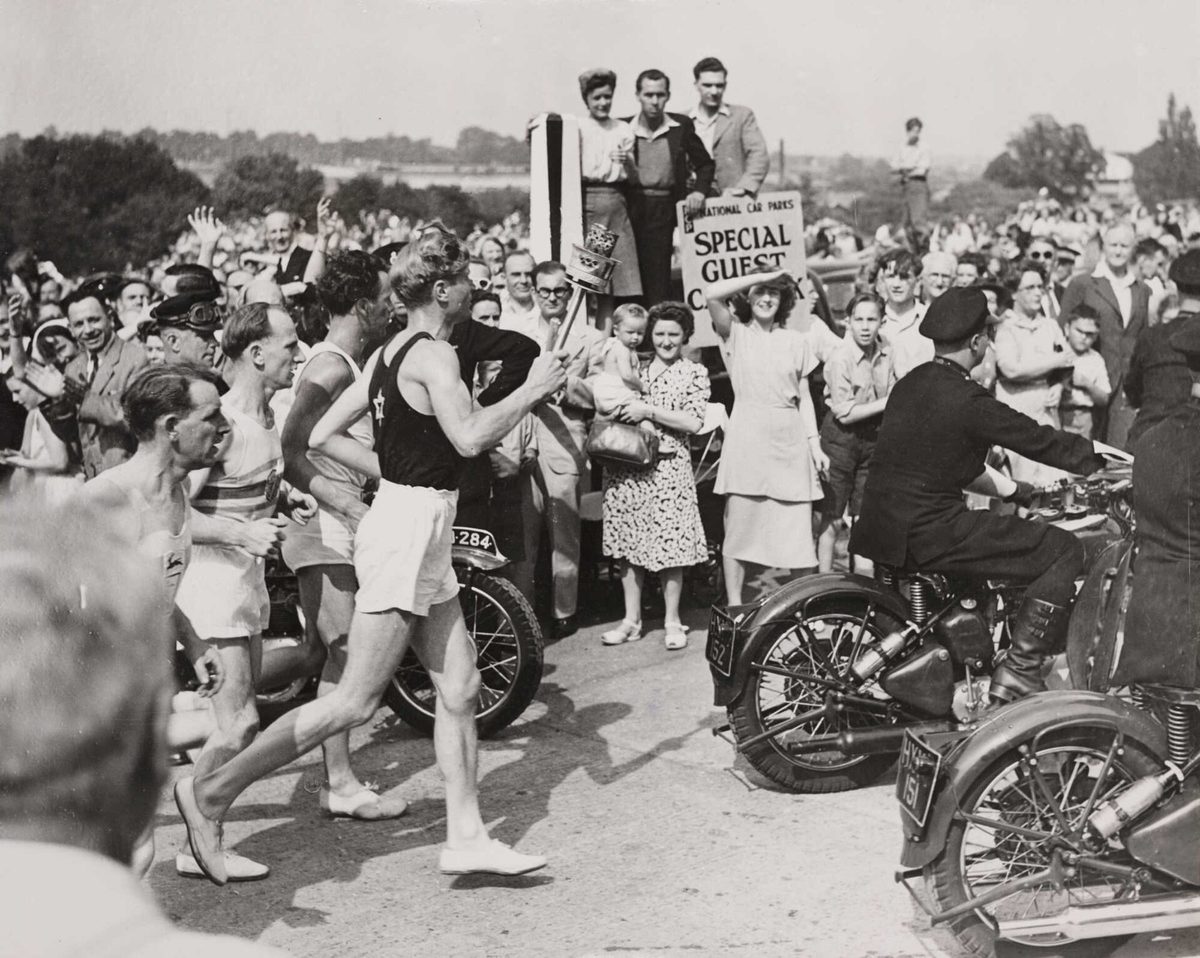
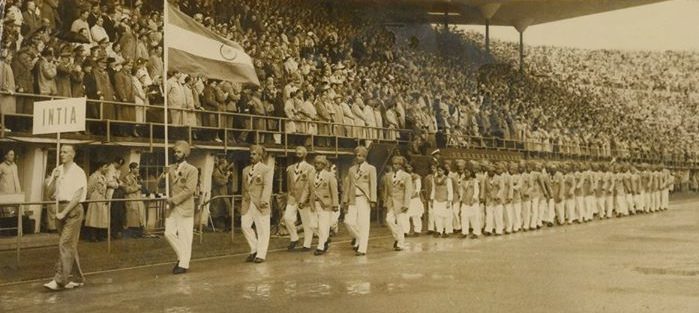
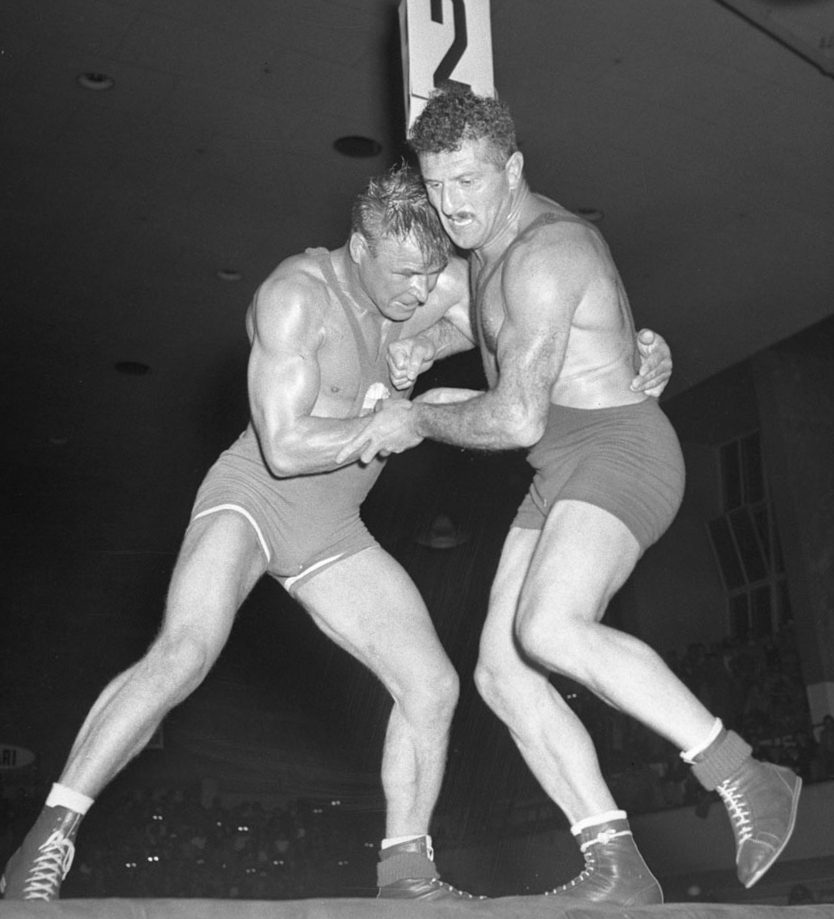
The Olympic Years
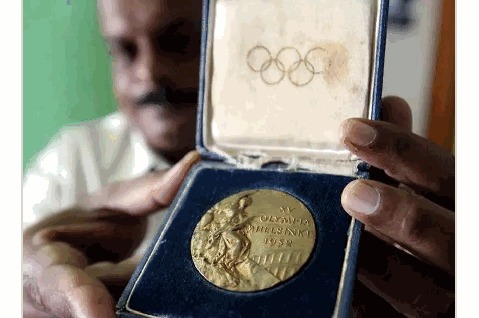
London 1948 and Helsinki 1952 — the Games he competed at.
Section Four
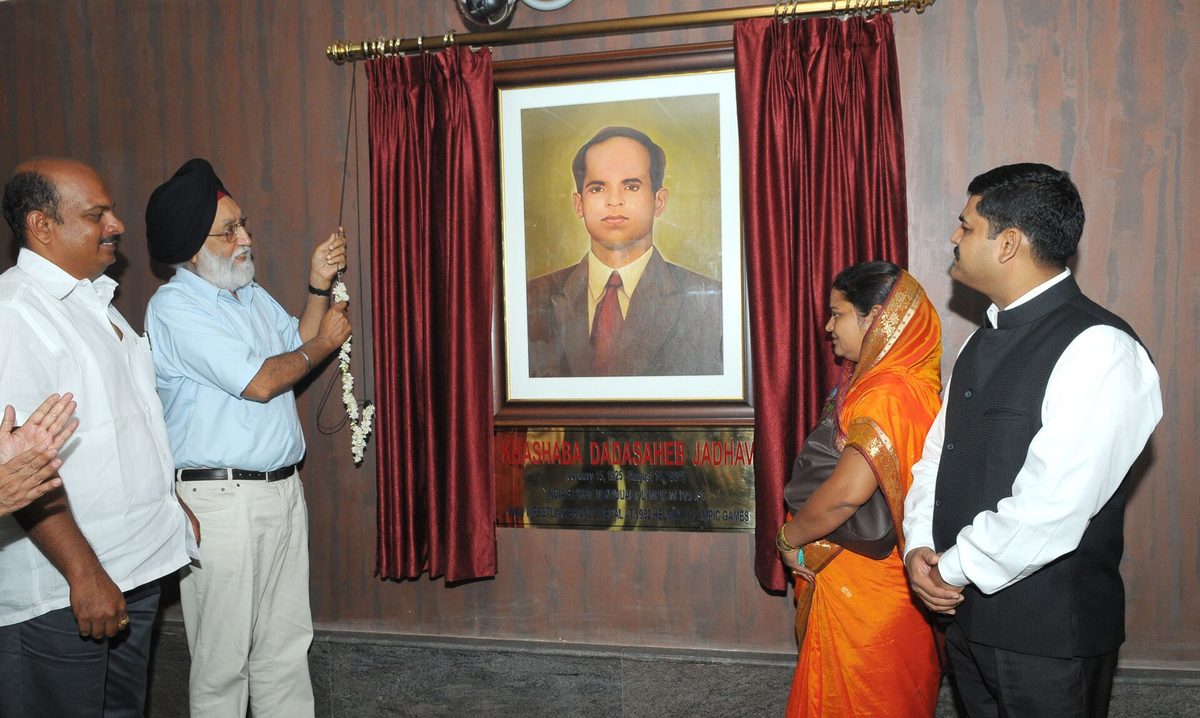
Memorials & Recognition
How India has remembered him — slowly, and belatedly.
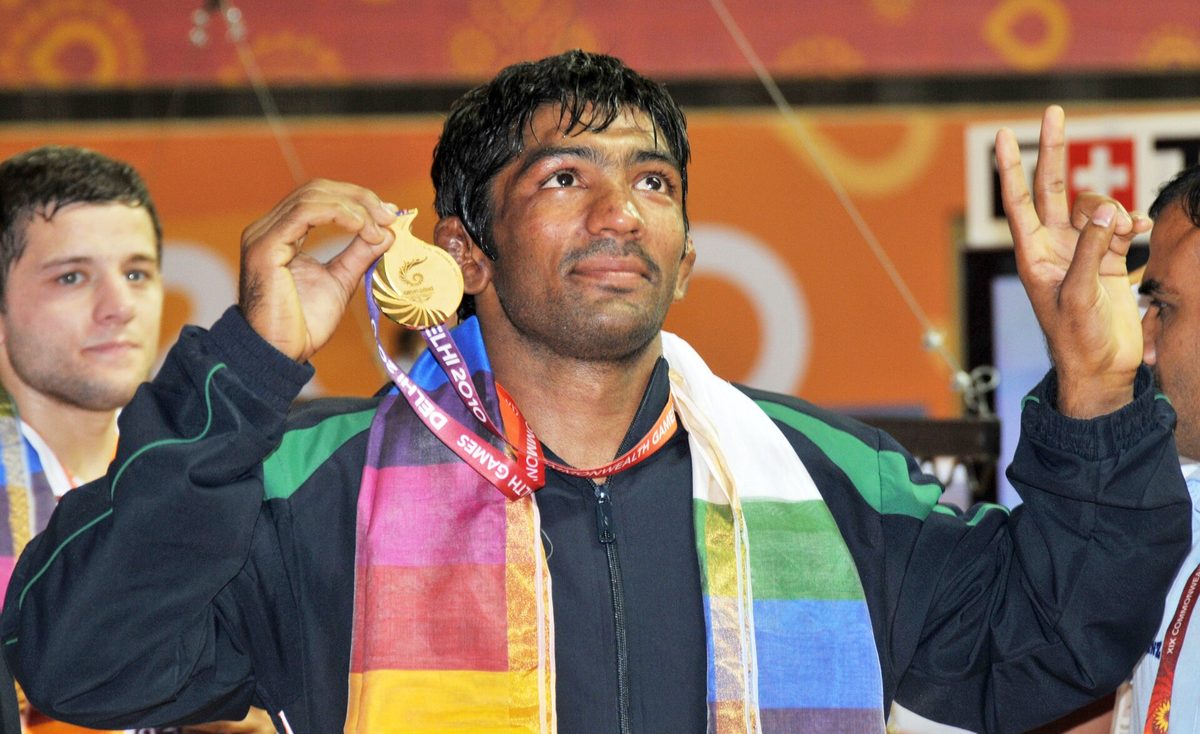
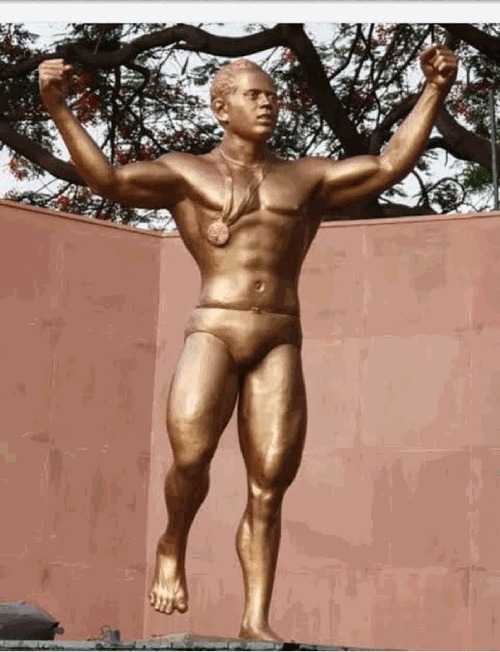
In Cinemas · 1 January 2027
“Khashaba” — the feature film
Nagraj Manjule — the director of Fandry, Sairat and Jhund — is making a Marathi biographical drama on the life of Khashaba Dadasaheb Jadhav, produced by Jio Studios and Aatpat Productions with a score by Ajay–Atul.
The supporting cast includes Jitendra Joshi, Mahesh Manjrekar, Girish Kulkarni, Vaibhav Mangale, Chhaya Kadam and Gargee Kulkarni. The lead — a new discovery whose face the teaser deliberately withholds — is yet to be unveiled.
A worldwide theatrical release is set for 1 January 2027, following Khashaba's birth centenary year.
Khashaba — Official Teaser
Directed by Nagraj Manjule. Jio Studios & Aatpat Productions.
Source: official teaser on YouTubeDocumentaries & Tributes
His Story, Told on Film
Independently produced videos about Khashaba Jadhav's life and his 1952 medal. These are third-party productions, embedded here as a resource; the Foundation does not control their content.
Life Story of K. D. Jadhav
The first individual from independent India to win an Olympic medal — a documentary account of his life.
Third-party production, via YouTubeKhashaba Dadasaheb Jadhav — Olympics 1952
An account of the wrestler's Helsinki campaign and the medal that made history.
Third-party production, via YouTubeऑलिम्पिकवीर खाशाबा जाधव (Marathi documentary)
A Marathi-language documentary on the Olympicveer — his village, his kusti, and his medal, told for the audience that knows him best.
Third-party production, via YouTubeकौन थे खाशाबा जाधव? (Hindi feature)
A Hindi-language telling of the story — who Khashaba Jadhav was, and why his 1952 bronze still matters.
Third-party production, via YouTubeRemembering Khashaba Jadhav
A news correspondent's field report from Khashaba's village, marking the anniversary of his 1952 bronze — independent India's first individual Olympic medal.
News report, via YouTubeIndia's First Olympic Medallist
From wrestling champion to freedom fighter — a profile of Khashaba Jadhav's life and his 1952 medal.
The Better India, via YouTubeThe Wrestler Who Won India's First Olympic Medal (Bol Bhidu, Marathi)
A Marathi storytelling account of Khashaba's rise from Goleshwar's akhada to the Helsinki podium.
Bol Bhidu, via YouTubeNews & Recognition
Covered by the Press
Television and digital news coverage of Khashaba Jadhav's legacy and the recognition owed to him.
Greatest Moments in Indian Sport, No. 8: Khashaba Jadhav Wins Bronze
ESPN's countdown of India's greatest sporting moments places Khashaba Jadhav's 1952 Helsinki bronze at No. 8.
ESPN — opens on espn.in (not embeddable)The Jadhav Family's Legal Fight for Recognition (Marathi)
Zee 24 Taas reports on the family's court battle to secure the recognition owed to Khashaba Jadhav.
Zee 24 Taas, via YouTubePosthumous Padma Bhushan (Marathi)
News coverage of the Padma Bhushan finally conferred on Khashaba Jadhav after his passing.
News report, via YouTubeThese are independently produced third-party videos, embedded as a public resource with source attribution. The Foundation does not claim ownership of this material; rights remain with their creators. To have a video added or removed, email contact@khashabafoundation.org.
Audio
Listening & Podcasts
No major podcast has yet devoted a full episode to Khashaba Jadhav — a gap this archive would like to see closed, especially in his centenary year. For the wider context of the sport he came from:
- “The History of Indian Wrestling” — Getting Colour (Spotify) — background listening on the kusti tradition and Indian wrestling's journey, the world that produced Khashaba.
Podcasters and broadcasters: the Foundation offers interviews with the founder family, a verified fact sheet, and archive photographs for any programme on Khashaba Jadhav's life — email contact@khashabafoundation.org.
Wanted
Help Us Find the Footage
Very little moving footage of Khashaba Jadhav is publicly accessible. The Foundation is actively seeking:
- Newsreel or Films Division coverage of the 1952 Helsinki Games featuring the Indian wrestling contingent
- Doordarshan or regional television interviews with Khashaba Jadhav
- Footage of the 1982 Asian Games torch relay in which he participated
- Any home-video or event recordings held by family, colleagues or wrestling clubs
If you know of such material — or hold it — please email contact@khashabafoundation.org.
For the Classroom
Teaching Khashaba Jadhav
His life is unusually well suited to teaching, because it sits at the intersection of sport, the end of the princely states, and the first decade of independent India.
Discussion themes
Talent versus opportunity; how a newly independent state chose to support (or not support) its athletes; the transition from princely patronage to public administration; how nations decide whom to remember.
Cross-subject links
History (Independence, integration of the princely states, the early Cold War); Physical Education (traditional kusti versus Olympic freestyle); Civics (public honours, state support for sport).
Starter questions
Why did India wait 44 years for its next individual medal? What does it say that his journey was funded by a mortgaged house? What is the right way for a country to honour an athlete?
Free to Download
The Classroom Pack
A biography, a timeline poster and a twelve-question quiz with answer key — each available in English, Hindi and Marathi. Print, photocopy and use freely; please keep the credit line.
Fact Sheet
His story in six steps, plus honours, records and further reading — two printable pages.
Timeline Poster
An eleven-point illustrated timeline from birth to centenary, sized for a classroom wall.
For Journalists
Press Kit
Journalists and documentary makers are welcome to use the material on this site. Please credit www.khashaba.in and, where relevant, the original photograph sources named beside each image.
Suggested standfirst
Points reporters most often get wrong
- Birth year. 1925, not 1926 — making 2025 his birth centenary.
- Weight class. Bantamweight in 1952; he had competed at flyweight in 1948.
- “India's first Olympic medal.” India had won team gold in field hockey well before 1952. Khashaba's was the first individual medal of independent India.
- Norman Pritchard. Pritchard's 1900 silvers predate him, but were won under the British Raj and remain historically contested; Khashaba's is the first for a free India.
- Bout order. Sources conflict on the sequence of his final two bouts — see the note on the Olympics page.
For interviews with the family or the Foundation, please email contact@khashabafoundation.org and mark your message “Archive/Media”.
Further Reading
Read More Elsewhere
This archive is maintained by Khashaba Jadhav's own family, through the Kusteeveer Khashaba Jadhav Foundation, and its facts draw first on family records and firsthand knowledge. If you'd like to read more from outside coverage, these are worth a look:
- Olympics.com — athlete profile and feature
- Wrestling at the 1952 Summer Olympics — men's freestyle bantamweight (round-by-round record)
- ESPN — Khashaba Jadhav wins bronze at Helsinki
- The Bridge — the “what could have been” story
- ThePrint — on the missing Padma award
- Rediff.com — “Khashaba Jhadhav, the hero we owe an apology to” (2000)
Questions about classroom use, translations or larger print runs? Email contact@khashaba.in directly.