Chapter Three · 1949 – 1952
The Road to Helsinki
Passed over by the selectors, restored by a Maharaja's intervention, and sent to Finland on a mortgaged house.
Between the two Games, Khashaba's world changed. The princely states were merged into the Indian Union, and with Kolhapur's court went the patronage that had underwritten wrestling in western Maharashtra for generations. The wrestler was better than he had ever been; the system that was meant to carry him no longer existed.
Overlooked again
Khashaba had beaten the formidable, six-foot Niranjan Das at the national championships — on more than one occasion. It should have settled the question of the bantamweight place for Helsinki. It did not: he was initially passed over by the selectors.
What rescued his Olympic career was an intervention by the Maharaja of Patiala, who arranged a decisive rematch. Khashaba won it, and his place on the Indian team was finally confirmed.
Selected, and penniless
The place came without funding. The Government of India had sanctioned money for the team, but by the accounts of those close to him, those funds never reached Khashaba. A direct request for four thousand rupees in assistance was turned down by the state's Chief Minister, Morarji Desai — the same leader who would garland Khashaba on his triumphant return a few months later. He lacked not only training expenses and airfare but the basic kit an Olympian was expected to own — socks, a blazer for the ceremonies.
How a village sent a man to the Olympics
What happened next is the part of the story that gives this Foundation its reason to exist.
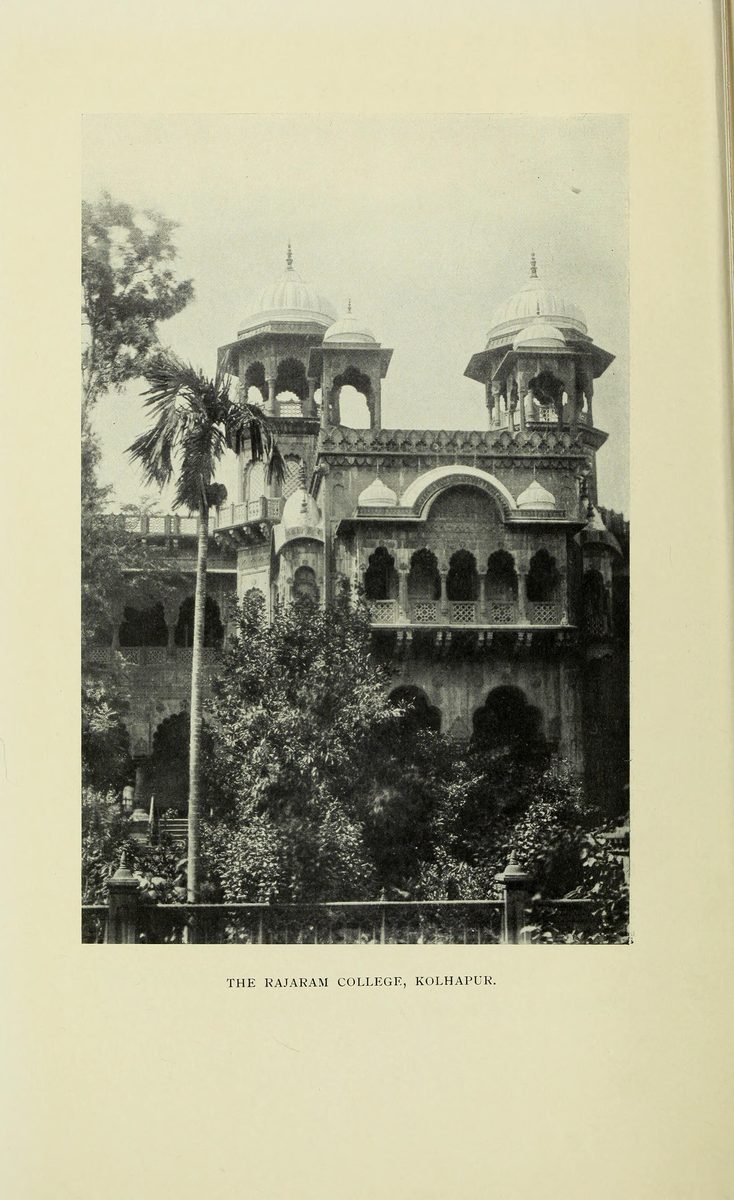
- Principal Khardikar of Rajaram College, Kolhapur — the same institution that had once doubted whether Khashaba was strong enough to wrestle for it — mortgaged his own house for ₹7,000 to send his student to Finland.
- His coach, Govind Purandare, lent a further ₹3,000.
- The people of Goleshwar and the surrounding district contributed what they could, in small sums, for kit and travel.
Every receipt kept
Khashaba treated these contributions as debts, not gifts. He kept the receipts. After Helsinki he wrestled exhibition bouts across Maharashtra until every rupee had been repaid.
He remains, so far as the record shows, the only Indian Olympic medallist to have reached the Games on public donations — and one of very few anywhere to have repaid them.